As we move toward 2026, rebranding has quietly but fundamentally changed.
Branding used to focus on logos, color palettes, and typography. Now, it’s about adaptive brand ecosystems shaped by AI, fast-paced storytelling, and content made for how people really use media today.
This isn’t just about following trends. It’s about meeting a new reality, where people want relevance, personalization, and an emotional connection in seconds, not just through big campaigns.
Here’s what’s shaping rebrands for 2026, and what brands should know before starting any creative work.
The New Reality: Rebrands Are Systems, Not Makeovers
In 2026, a rebrand isn’t just a “before and after.” It’s a new way of running your brand.
Brands now change in real time across different platforms, formats, and audiences. Because of this, rebrands have become:
- Modular, not monolithic
- Responsive, not static
- Strategy-led, not design-first
The best brand changes today start with a simple, sometimes tough question:
How does our brand need to behave differently in the world now?
Design still matters, but it’s just the result. What drives it has changed.
How AI Is Reshaping Rebranding (For the Better)
AI isn’t taking over creativity, but it is changing how brands build, test, and grow creative ideas.
By 2026, AI tools are central to rebranding in three main ways:
- Faster, Smarter Brand Exploration
AI lets teams quickly explore ideas that used to take months:
- Visual directions
- Naming systems
- Messaging frameworks
- Tone-of-voice variations
This isn’t about taking shortcuts. It means making better decisions. Brands can test ideas sooner, drop weak ones faster, and focus more on what really works.
- Adaptive Brand Systems
Old, fixed brand guidelines are being replaced by flexible, living systems.
AI helps brands:
- Generate on-brand content at scale.
- Personalize messaging without diluting identity.
- Maintain consistency across dozens of touchpoints.
The result is brands that feel personalized, not generic.
- Authenticity Through Precision
Surprisingly, AI is helping brands come across as more human.
By studying language, culture, and how people act, brands can communicate more clearly and with more empathy. There’s less guessing and more purpose.
The takeaway:
AI doesn’t define a brand. It helps make it clearer and stronger.
Microdramas: The Storytelling Format Brands Can’t Ignore
One big cultural change shaping rebrands right now is the rise of microdramas.
What Are Microdramas?
Microdramas are short, episodic stories, usually 30 seconds to 2 minutes, made for mobile platforms like TikTok, Reels, and YouTube Shorts.
Think:
- Serialized storytelling
- Emotional hooks
- Cliffhangers
- Character-driven arcs
They use TV-style storytelling, but move at the fast pace of social media.
Check out Maybelline’s Microdrama campaign “Maybe This Christmas”, complete with a trailer, and several commercial-length episodes following an overarching plot.
Why They Matter for Branding in 2026
Microdramas show that people want to connect with brands in new ways:
- Stories over statements
- Emotion over explanation
- Consistency over virality
Instead of one-time big campaigns, brands are now building worlds and stories that people want to come back to.
This changes everything for rebrands. Now, your brand identity needs to support:
- Characters
- Tone continuity
- Episodic formats
- Long-term narrative equity
It’s not just logos that tell stories anymore. It’s the whole brand system.
What’s Moving to the Forefront of Branding for 2026
Across different industries, the same themes keep coming up.
- Culture-Speed Branding
Brands aren’t just reacting to culture anymore. They’re moving alongside it.
That requires:
- Flexible identity systems
- Faster decision-making
- Clear internal brand alignment
The most successful rebrands in 2026 are designed to keep moving forward, not to be perfect.
- Lo‑Fi Meets High‑Concept
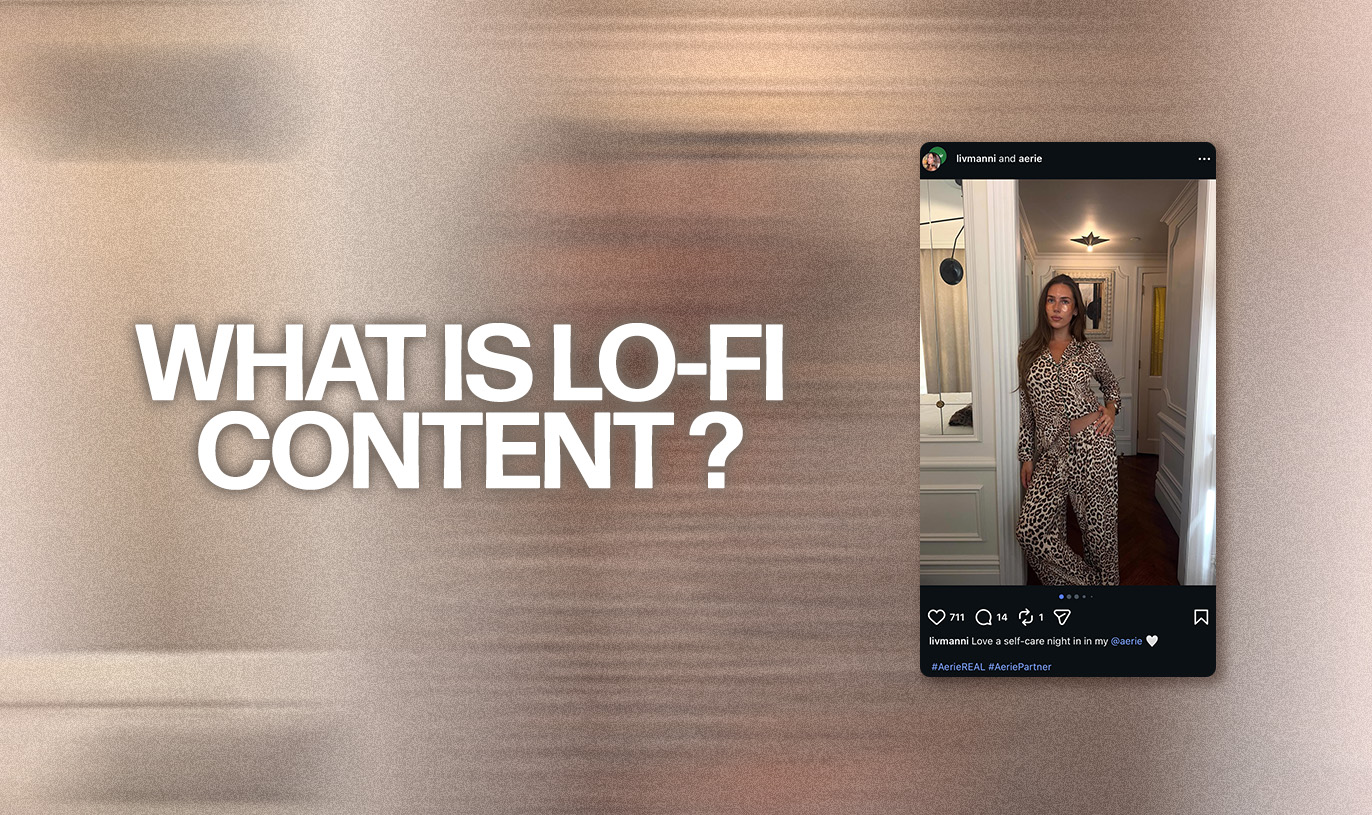
Polished looks aren’t gone, but they’re not the standard anymore.
We’re seeing brands intentionally mix:
- iPhone-shot content
- Raw, human moments
- High-level creative direction
This mix helps build trust. Just making things look perfect isn’t enough, and lately, consumers prefer imperfections that embody authenticity.
- Meaningful Nostalgia
Nostalgia is changing from just looking back to actually reconnecting with emotions.
Brands are looking at what made people care in the past and updating it for today. When done well, nostalgia helps people feel grounded, not stuck in the past.
- Motion as a Brand Language
Unchanging brand identities have a hard time in a world focused on video.
Things like motion, small animations, transitions, and expressive fonts are now just as important as logos, sometimes even more so.
What This Means for Rebrands Heading Into 2026
The most successful rebrands today have a few things in common:
- They don’t chase trends; they interpret them.
- They prioritize clarity over novelty.
- They’re designed to keep evolving, not just launch and be forgotten.
Before starting a rebrand, brands should be asking:
- Where does our audience actually spend attention?
- How do we show up consistently and flexibly?
- What stories are we equipped to tell long-term?
In 2026, branding isn’t about making a splash just once.
It’s about showing up again and again, with purpose.
Final Thoughts
Today, rebranding is more about making sure everything fits together than starting over from scratch.
AI is helping brands work smarter. Microdramas are showing brands how to tell better stories. Culture now demands real-time relevance.
The brands that will do best in 2026 are those willing to change their systems, not just their look.
Design still shows what a brand is about. Strategy is still the base.
But adaptability?
That’s the future.
—
From all of us at Kudu Creative